
When “Fine” isn’t Fine
Five-year-old Mateo was referred to Savio when it became clear he would be in foster care for an extended time. When his therapist first entered the home, she found a nervous little boy trembling with his eyes down and a caring foster mother, Carla, sitting nearby but unsure how to help.
In those early sessions, it became clear that Mateo struggled with a deeply negative self-image. When asked how he was doing, he would look at the floor and whisper, "Fine," even as tears streamed down his face.
The therapist encouraged Carla to move beyond surface-level responses like "fine" or "okay" and create a home where all feelings were welcome, laying the groundwork for helping Mateo manage future meltdowns.
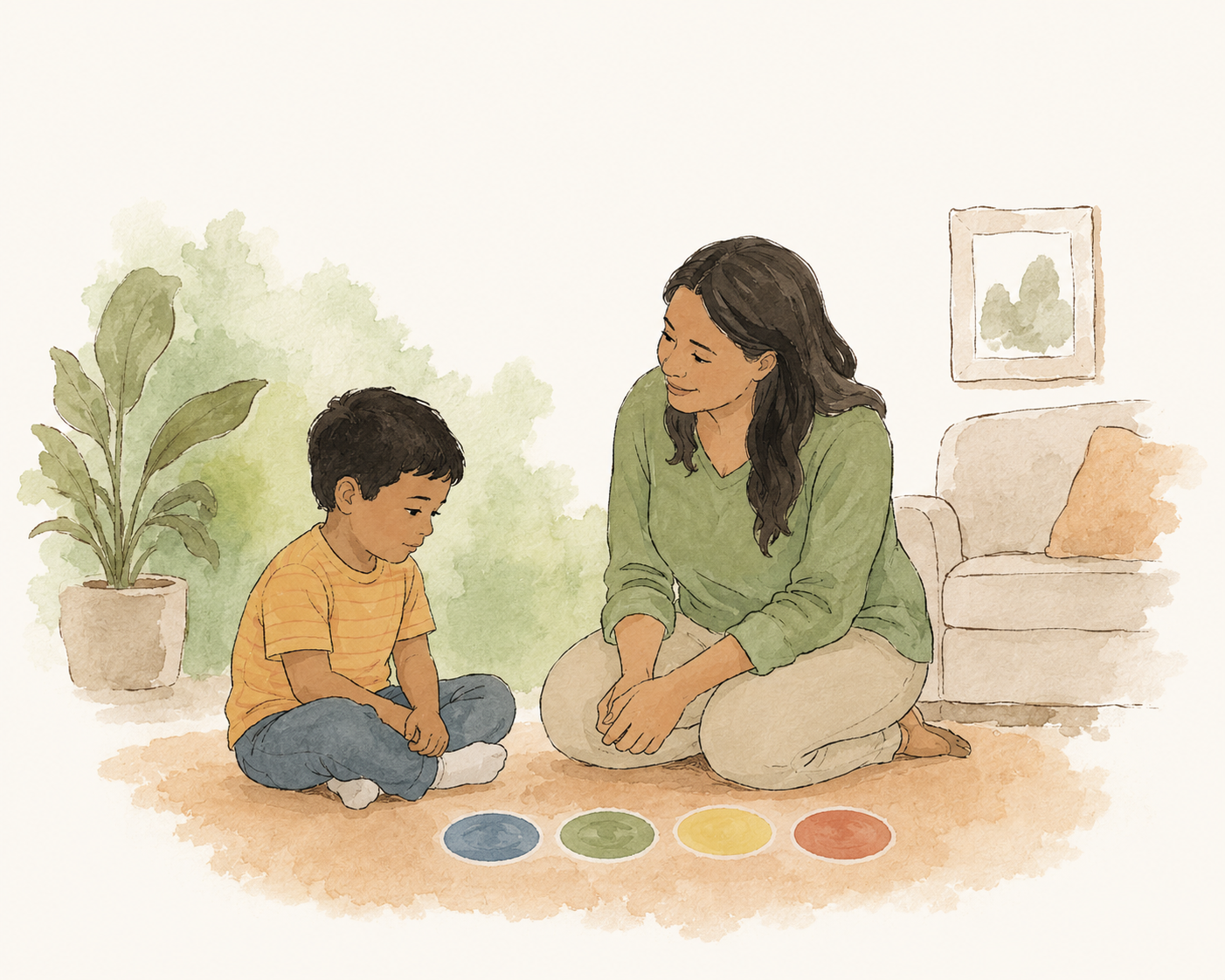
To help him communicate his emotions, they introduced a simple color system. Blue represented low energy or sadness, green meant he was content, yellow signaled high energy, and red meant he felt overwhelmed and couldn't keep his emotions in. Carla built this routine into daily life, along with grounding techniques like breathing exercises.
As Mateo began to feel safe enough to express himself, he often shared painful thoughts. While watching other children at the park one day, he cried, "I'm not good at sports."
With a supportive nod from the therapist, Carla gently reframed his perspective. "You are so fast and strong!" she told him. She suggested they practice kicking a soccer ball together, reminding him that everyone gets better by practicing.
That shift soon showed up everywhere—from his kindergarten friendships to helping with chores.
By the end of the program, Mateo had transformed into a child who could recognize and challenge his own negative thoughts. He even began teaching his classmates breathing techniques when they were feeling upset.
He was a completely different child than when he started the program, which also meant it was time for therapy to come to an end.
To celebrate everything Mateo had accomplished, Carla and his therapist hosted a "therapy graduation," complete with cake and a diploma.
But at the party, Mateo had different feelings.
"Red!" he signaled, sharing that he didn't want therapy to end as he ran to his room and curled into a ball on the floor.
Carla knelt beside him. "The end of one thing means you get to start new things," she said. "You get to focus on just being a kid. With the new time we have, we can play more sports and have friends over."
A smile finally spread across Mateo's face. He came out of his room for a slice of cake, excitedly dreaming about the future with his family.