
Finding Her Voice - Daisy’s Story
In a small town on Colorado’s Western Slope, 15-year-old Daisy and her father struggled to find support. Therapy resources were limited, and they needed help addressing Daisy’s truancy and repeated attempts to run away. When Savio began offering services directly in their home, her father was eager to get started. Daisy, however, was resistant. During their first session in the living room, she sat with her arms crossed, wary of yet another authority figure.
Her Savio therapist took a different approach—meeting the family where they were and helping Daisy understand what her anger was trying to tell her. Through journaling and guided conversations, Daisy began to recognize the emotions beneath her behavior. One day, she told her father, “When I feel angry, it’s letting me know that I feel wronged.” She realized that running away had been her way of avoiding those feelings rather than expressing them.
A major source of that tension was Daisy’s experience with peers at school. Addressing it required her father to find his own voice. Naturally shy, he had always been hesitant to contact school officials, whom he found intimidating.
“You can do this,” their therapist encouraged.
So he made the call.
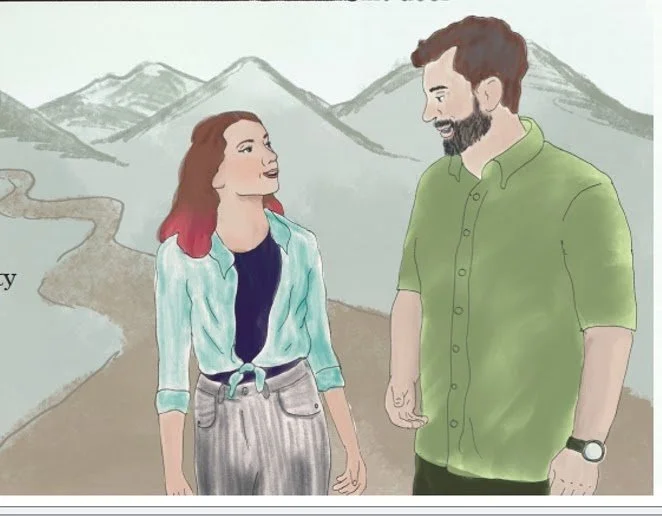
The school responded by creating a check-in plan and adjusting Daisy’s schedule, giving her access to a counselor whenever she needed support. With school feeling safer, Daisy’s attendance became consistent. She began participating in class, raising her hand, and gravitating toward positive peer groups—something that had once seemed impossible.
As Daisy gained confidence, she also rediscovered activities she had drifted away from. One of them was dance. She asked to practice with the school’s dance team and soon found joy in movement, connection, and self-expression.
One day, she turned to her father and said, “Dad, I feel happy when I dance and when we help each other.”
That newfound confidence inspired them both. Together, Daisy and her father—who had once struggled to connect with life beyond their front door—began exploring ways to become more involved in their community. While researching local opportunities, Daisy excitedly pointed to a volunteer program teaching movement classes at a nearby assisted living facility.
“That one!” she said.
By the end of services, Daisy and her father no longer needed outside support. They were building connections, advocating for themselves, and creating a stronger future together. What began with trust and communication at home had grown into confidence, belonging, and meaningful community connections.